
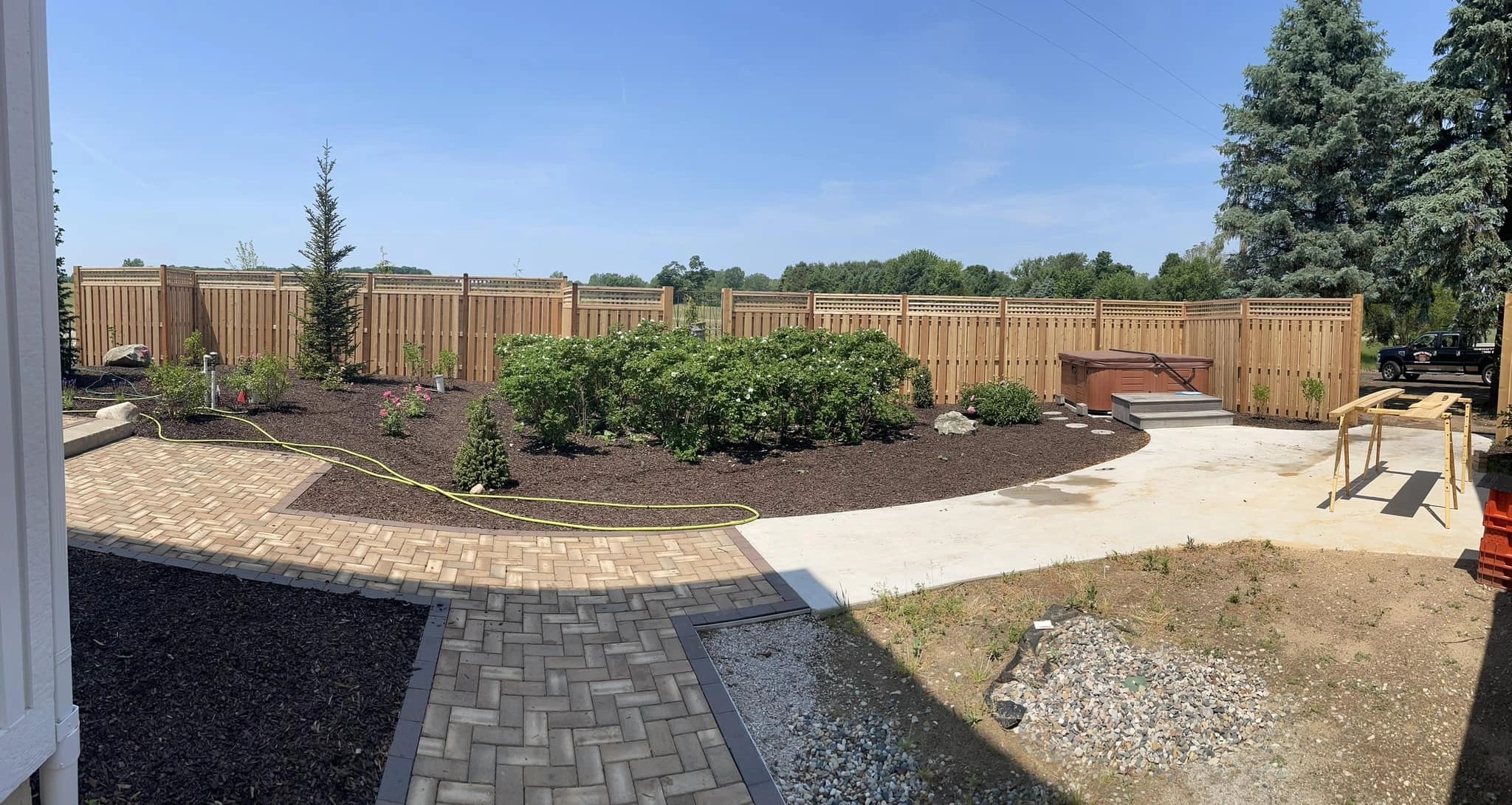
Farm fencing asks different questions than a typical backyard project. The runs are often longer, the terrain is less uniform, the access needs are more practical, and the weather has more room to wear on the system. That is why the best farm fence starts with use before material.
The right fence for a rural property depends on what needs to stay in, what needs to stay out, and how the owner moves through the land every day.
Start with the purpose of the fence
Farm and rural fencing can serve very different goals. Some runs are meant for pasture use. Some are utility boundaries. Some are more about driveway control, equipment access, or defining part of the property clearly without building a full privacy edge.
The layout should reflect that purpose from the beginning. A fence for livestock management is not the same as a fence for driveway organization or perimeter definition around a working outbuilding area.
Longer distances change the planning
A long fence run magnifies every planning mistake. Small issues in layout, slope, drainage, post spacing, or gate placement become more noticeable over distance. That is why farm fencing benefits from a practical layout plan before materials start going into the ground.
Terrain and drainage deserve real attention
Rural Michigan properties often include rolling grade, wet areas, drive crossings, tree lines, and utility zones that change how a fence should run. The strongest plan is not always the straightest one on paper. It is the one that respects how the ground behaves through the seasons.
Gates do a lot of the real work
On many farm properties, the gates matter almost more than the fence itself. Drive gates, equipment access points, and transition gates between sections need to work in real conditions, not just look right on installation day. Snow, mud, trailer movement, mower paths, and daily use all influence what a good gate size and swing direction should be.
Durability is not only about material
Rural properties put pressure on fences in ways smaller residential yards often do not. That makes post setting, transitions, corners, and gate hardware especially important. Material matters, but layout and installation quality still decide how well the whole system performs.
Maintenance should stay practical
The best farm fence is rarely the one with the fanciest look. It is the one that works, holds its line, and stays manageable to maintain across the full property. That usually means thinking clearly about how often the fence will be checked, what type of wear it will see, and what parts need to stay easy to access.
Rural fencing works best when it is planned around routine
Ask simple questions:
- Where does equipment need to pass?
- Where will daily access happen?
- What areas stay wet?
- Where does winter make gates harder to use?
- What sections matter most to get right first?
A fence that answers those questions well usually ends up serving the property better over time.
If you are planning a rural project now, look through our farm fencing and gates and repairs pages, then use the estimate form to share the layout.
Frequently asked questions
Is farm fencing mostly about long runs?
Long runs matter, but access, gate width, terrain, drainage, and daily use often matter just as much.
Should farm gates be planned early?
Yes. Driveway access, mower routes, trailers, and animal handling all depend on gate size and placement.