
Michigan weather is hard on fences, especially posts, gates, and ground-contact areas. Snow, thaw, rain, wind, and seasonal movement all add up. The good news is that regular fence maintenance does not have to be complicated. A few checks each season can help you catch small problems before they turn into bigger repairs.
Do a simple spring walkaround
Spring is one of the best times to inspect a fence. Walk the full line and look for leaning posts, loose fasteners, shifted panels, rust spots, cracked boards, and gate drag. Winter can expose movement around posts and hardware, especially in wet areas or places where the ground freezes and softens repeatedly.
Watch the ground-contact zones
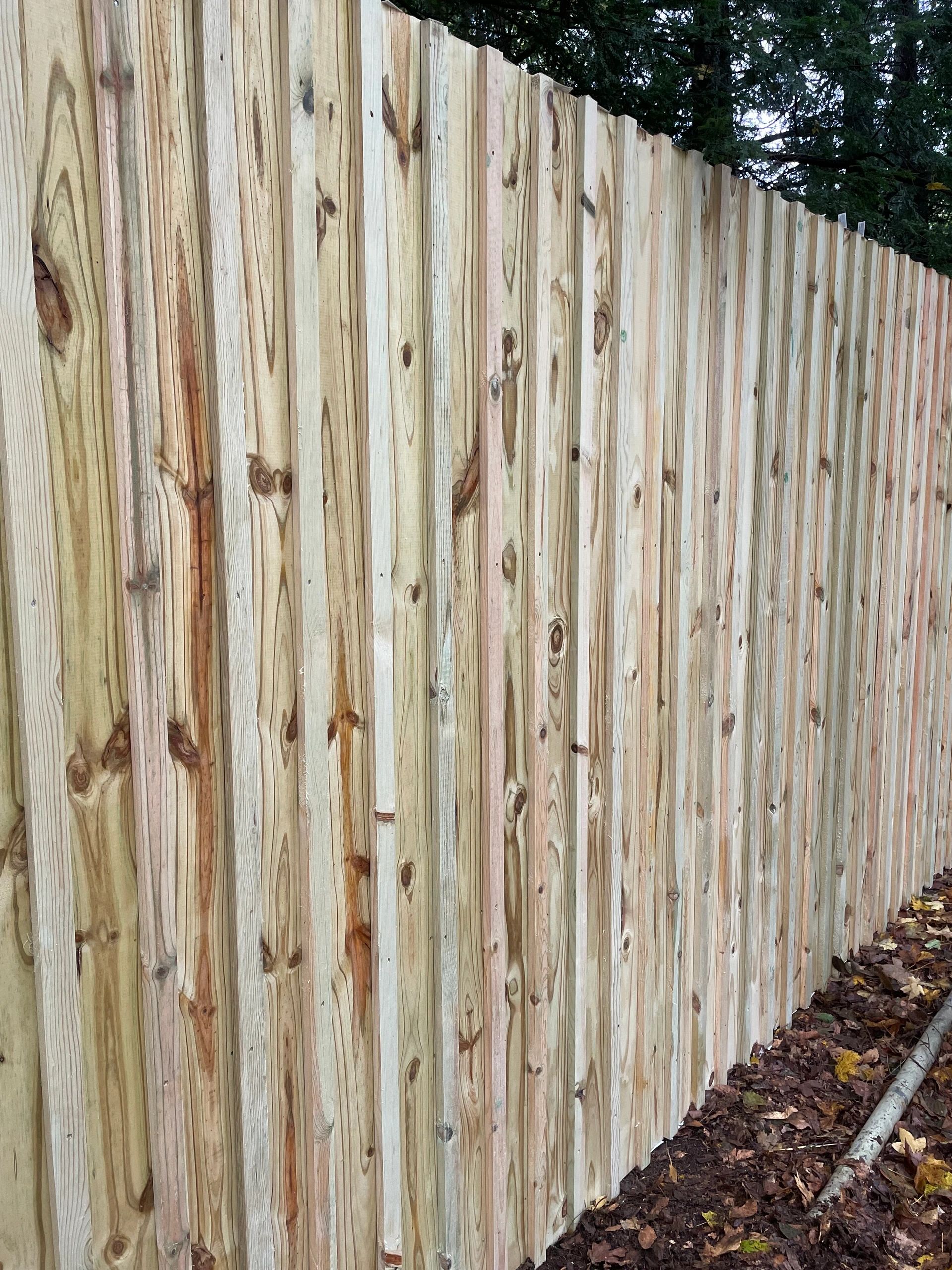
The lower portion of the fence tells you a lot. With wood fences, check for softness, discoloration, or areas that stay wet too long. Around any fence type, notice where mulch, leaves, or soil have piled up against the base. Holding moisture around the fence line is rarely helpful long term.
Keep gates working before they start failing
Gates take more abuse than almost any other part of a fence. If a gate starts sticking, sagging, or dragging, deal with it early. Tighten hardware, inspect hinges, and make sure the latch still lines up the way it should. A gate that “mostly works” in summer often becomes more frustrating in fall and winter.
Match maintenance to the material
Wood fences benefit from regular inspection and, when appropriate, sealing or staining on a reasonable cycle. Vinyl fences usually need less upkeep, but they still need cleaning and hardware checks. Chain link and aluminum should be checked for loose fittings, tension issues, and impact damage, especially around gates and corners.
Check after storms and heavy seasonal use
Wind, falling branches, drifting snow, and even repeated mower or equipment bumps can create wear that is easy to miss in the moment. A quick post-storm walkaround is worth it, especially if you have long runs, exposed corners, or farm and utility fencing.
Know when repair is enough and when it is not
A single damaged section or a gate issue is often a repair. Widespread leaning, repeated gate problems, major rot, or multiple failing posts may point toward replacement instead. The goal is not just to make the fence stand today. It is to make sure it works reliably going forward.
If your fence needs more than routine upkeep, start with gates and repairs, wood fencing, or vinyl fencing to decide what comes next.
Frequently asked questions
How often should I inspect my fence?
At least in spring and fall, plus after major storms.
What part of the fence fails first most often?
Usually gates, hardware, and lower sections near the ground show problems first.