
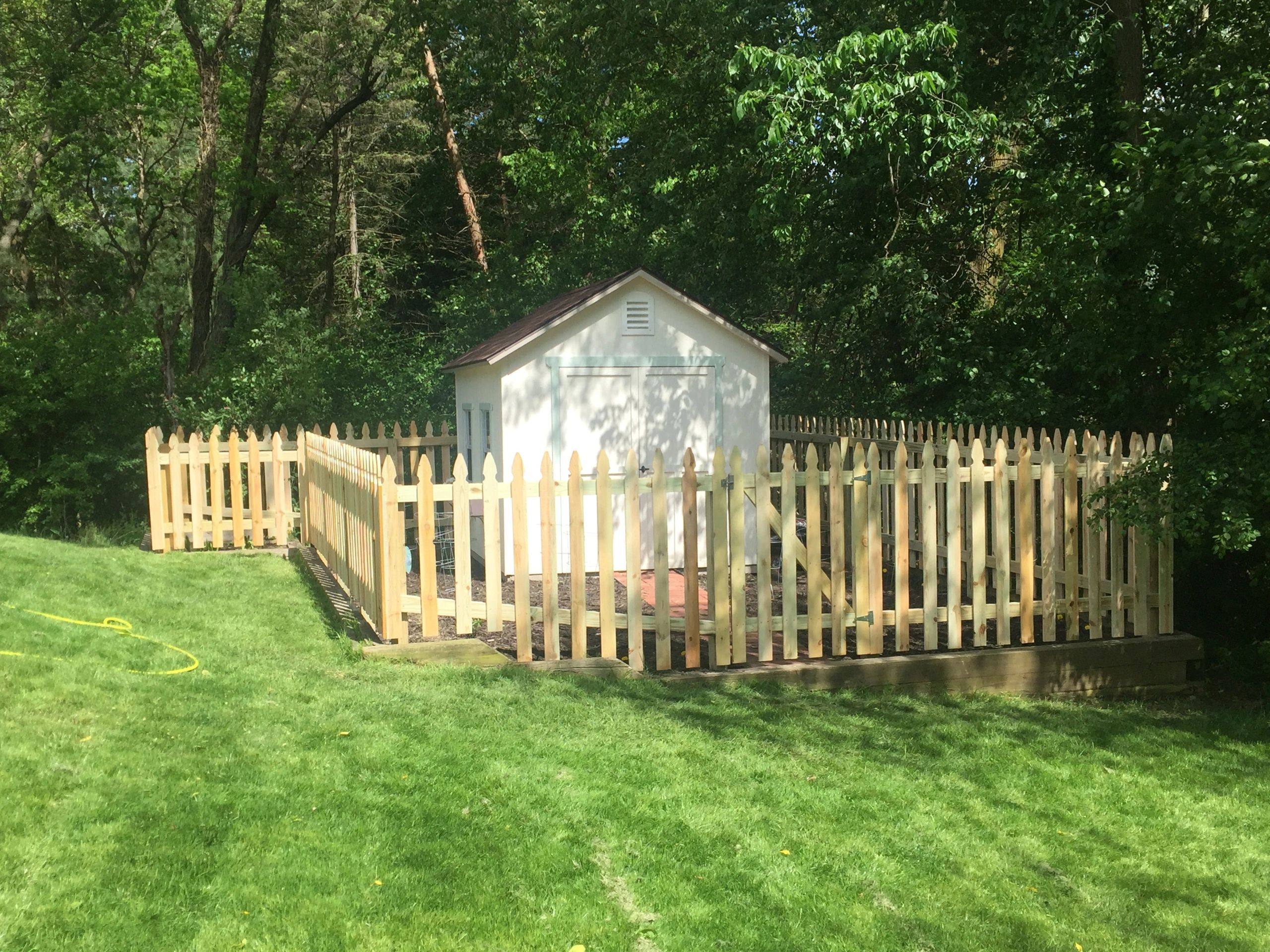
If the fence is going anywhere near a shared edge, the property line question matters. It does not have to turn into a dispute, but it is one of the most important planning steps to think through before installation begins.
The simple version is this: a fence company can help plan the layout, but it should not pretend to be a legal boundary authority. If the line is unclear, it is better to sort that out before the fence is marked than after the posts are in.
Why the property line matters so much
A fence is not just another backyard project. It creates a lasting boundary that affects privacy, maintenance, appearance, access, and neighbor relationships. If it ends up in the wrong place, even by a little, the problem tends to stay visible.
That is why clarity matters more than guesswork.
Sometimes the line is obvious, and sometimes it is not
In some yards, old markers, established edges, or prior surveys make the layout fairly straightforward. In others, the line is less clear than homeowners expect. Tree rows, old fences, mowing patterns, and “where everyone thought it was” are not always the same thing as a confirmed boundary.
If you are not confident, treat that uncertainty seriously.
A survey is not always required, and sometimes it is the safest move
Not every fence job needs a fresh survey. But when the line is close, disputed, or important to the whole layout, a survey can remove a lot of uncertainty. That is especially true when:
- the fence will sit tight to a shared edge
- the lot shape is unusual
- old markers are missing or questionable
- neighbor expectations are already unclear
The goal is not to make the project complicated. The goal is to avoid preventable problems.
Neighbor communication helps more than people think
Even when everything is friendly, it still helps to talk with the neighbor early if the fence is going near a shared line. A short conversation now is usually easier than a surprised conversation later. Clear communication does not replace a survey when one is needed, but it does reduce confusion.
Local rules and setbacks may matter too
Property-line planning is not just about the neighbor side. Some fences also need to account for setbacks, corner visibility, HOA expectations, or other local considerations depending on the area. That is another reason early planning helps. A fence that is strong and attractive still has to be placed where it makes sense.
A fence company can help with layout, but not with legal certainty
A good installer can help you think through the line, access, gates, and how the finished fence should work on the property. But if the real question is legal boundary certainty, that is outside the scope of a normal fence estimate. The safer move is to get the line confirmed first, then build around that.
Clarity early usually saves money and stress
Property-line problems are much easier to solve on paper than after labor, material, and hardware are already in the ground. If there is uncertainty, handle it early. That is the cleaner path for the fence, the estimate, and the relationship next door.
If you are sorting through a line question now, start with the services page, look over the service area details, and then use the estimate form once the project direction is clearer.
Frequently asked questions
Can a fence company replace a surveyor?
No. A fence company can help plan around the line, but a legal boundary question belongs with a surveyor when accuracy matters.
Should I talk to my neighbor before installing a fence?
Yes, especially when the fence is near a shared line or there is any uncertainty about where the line sits.